Tales of Things
Where everything has its memory
Three columns statuette by Roy Gussow
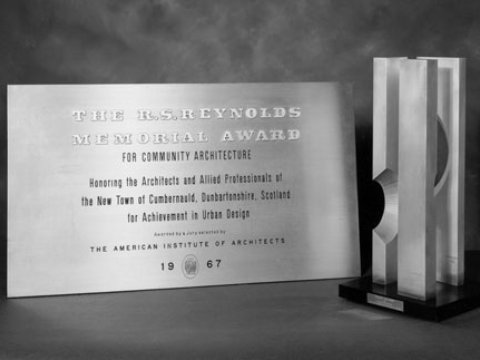
Cumbernauld is a new town which was built between 1963 and 1972 by the Cumbernauld Development Corporation. The town was one of several to be built in the area to cope with Glasgow’s overcrowding and housing shortages brought on after WWII. The town has been both acclaimed and criticised for its innovative urban planning. In 1967 the architects won an award from the Reynolds Aluminium Company of America and this award designed by American sculptor Roy Gussow is displayed here.
Image © Royal Commission on the Ancient and Historical Monuments of Scotland
Award © Roy Gussow
Tales
Three columns statuette by Roy Gussow
Film clip shows “Cumbernauld, Town for Tomorrow” 1970 and outlines the optimism surrounding Cumbernauld at the time.
© NLS Scottish Screen Archives
Film Sponsor: Films of Scotland and Cumbernauld Development Corporation
Kristina's experiences of Cumbernauld
Kristina is from LA which has a lot of similarities with Cumbernauld. She also did a postcards project at ECA finding different attitudes towards the town.
Comments
-
There are no comments for this tale!
First Impressions of Cumbernauld
Ross had an opinion about Cumbernauld before he visited it. Growing up in Livingston he had experiences of living in a New Town.
Ross goes on to talk about the planning and architecture of the town. Cumbernauld was also built at a time when Nuclear power was thought to be the energy saviour and that there would be plenty of power and so the houses were built with little insulation, which the houses are really suffering from today.
Comments
-
There are no comments for this tale!
Growing up in Cumbernauld
Diane Watters from RCHAMS tells us about her experiences of growing up in Cumbernauld. Her family moved to Kildrum (one of the first areas to be built)in 1964. Cumbernauld had a good community spirit and felt very safe with Catholics and Protestants living next to each other.
Comments
-
There are no comments for this tale!
Aspirational Town
Growing up in Cumbernauld Diane didn't have any perceptions of class and felt that everyone was equal with the same opportunities no matter what their parents did.
Comments
-
There are no comments for this tale!
William Adam House
The Cumbernauld Development Corporation used to have their offices in Cumbernauld House which was a large classical house built by William Adam which is now derelict.
Diane thinks that due to the critical reception of the architecture, it meant that a lot of local people started to have negative views of the town.
Comments
-
There are no comments for this tale!
Protecting Cumbernauld
Historic Scotland has listed a few buildings in Cumbernauld but the actual plan of the town with its paths and roads is not protected and it is this which makes it unique.
Comments
-
There are no comments for this tale!
-
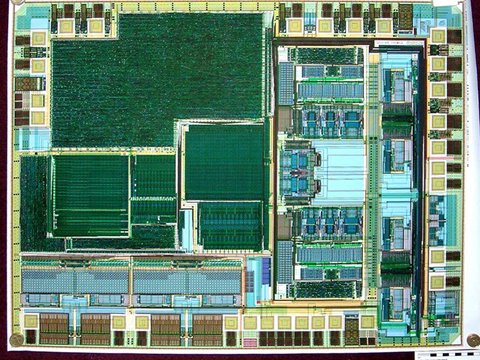
Plot diagram for audio chip
-
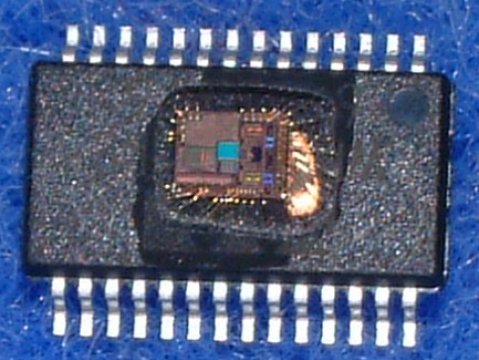
Close up of Wolfson audio chip
-
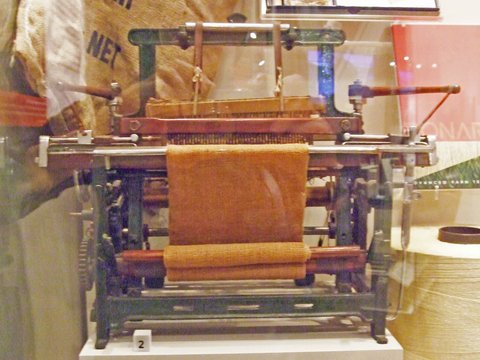
Jute loom model
-
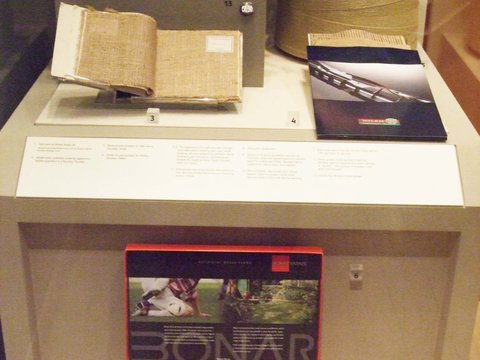
Wilkie Jute Samples
-
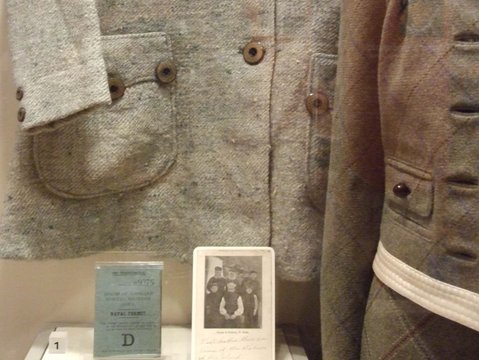
St Kilda tweed
-
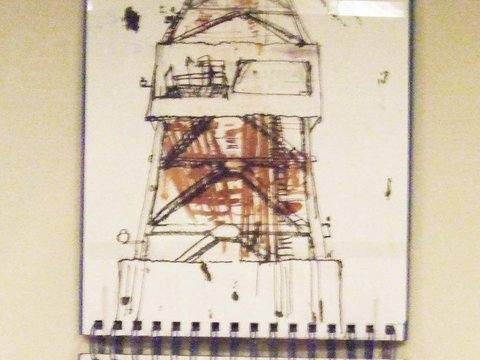
skteches by Sue Jane Taylor
-
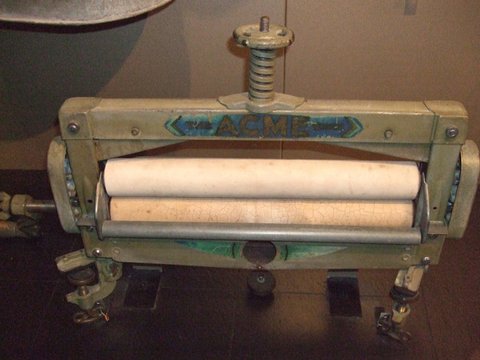
Wringer or Mangle
-
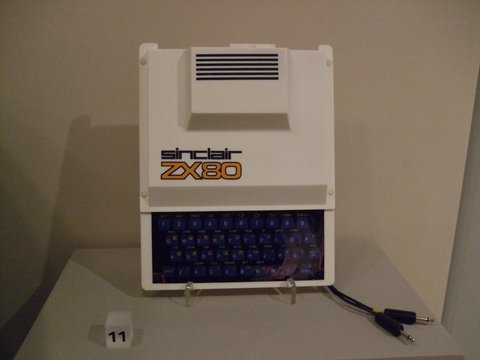
Sinclair ZX80
-
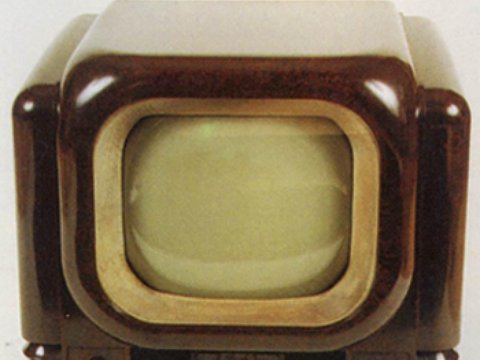
Bush TV22 Bakelite Television
-

Scottish Widows Jewellery
-
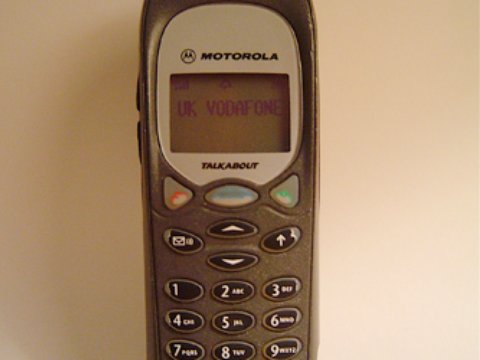
Motorola Mobile Phone
-
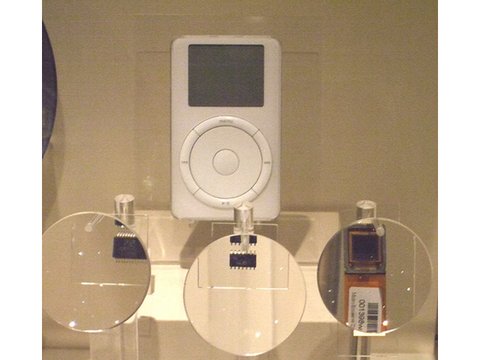
1st Generation Apple iPod
-
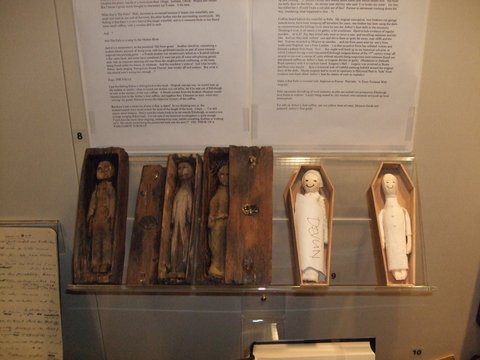
The Falls (Ian Rankin)
-
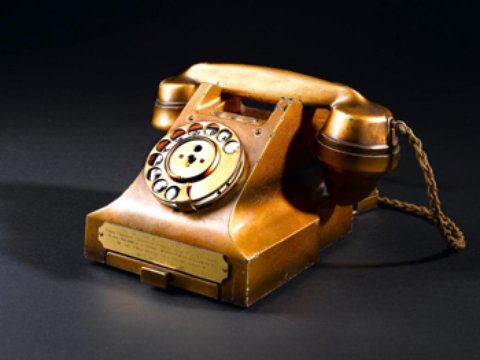
100,000th Telephone in Glasgow
-
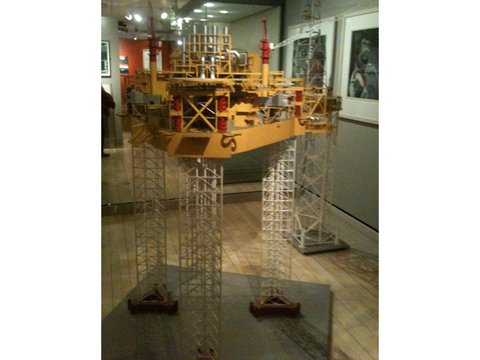
Total Oil Rig Model
-
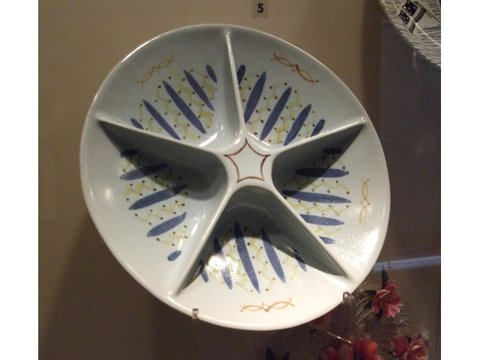
AW Buchan Olive Dish 1950s
-
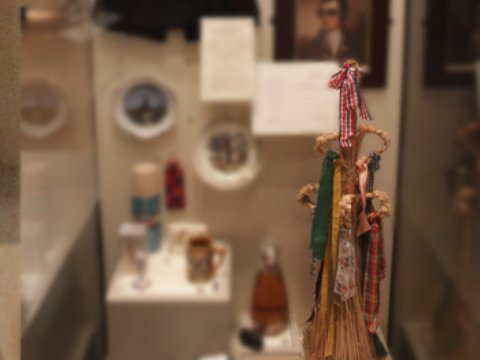
Shetland Guising Hat
-
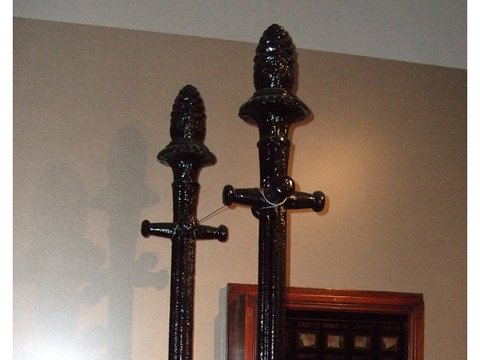
Clothes Poles
-
Presbyterian Booklet
-
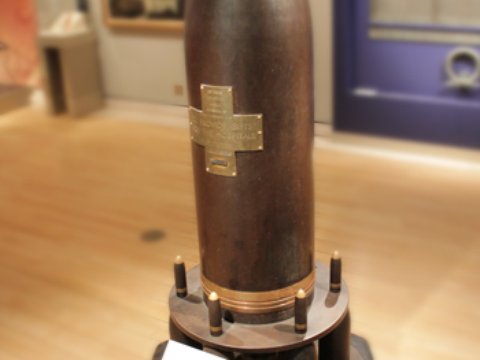
Charity collection box
-
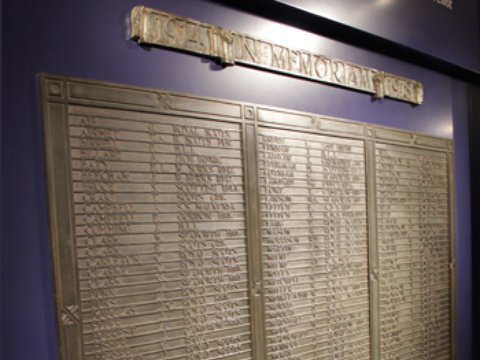
War Memorial
-
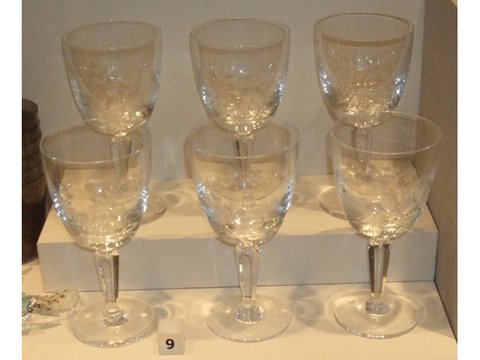
Harold Gordon Goblets
-
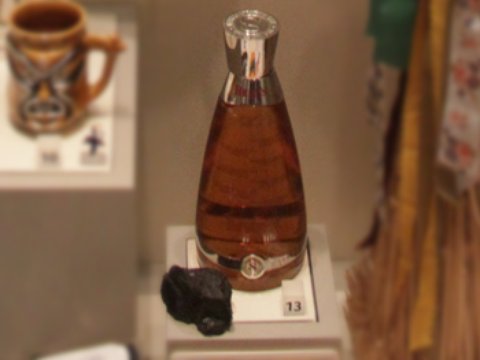
Dram of Whisky and Lump of Coal
-
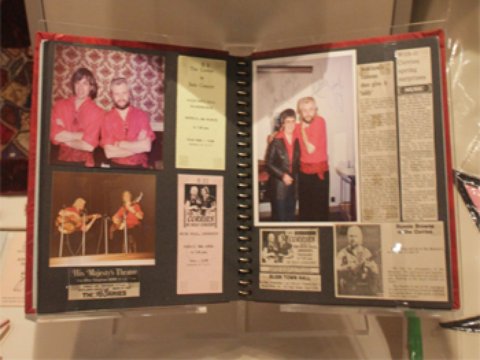
Scrapbook with Corries
-
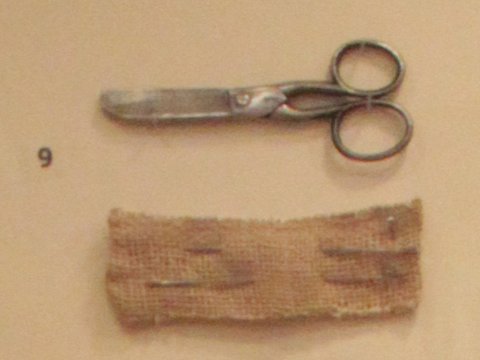
Darning needle belonging to Lily Thomson
-
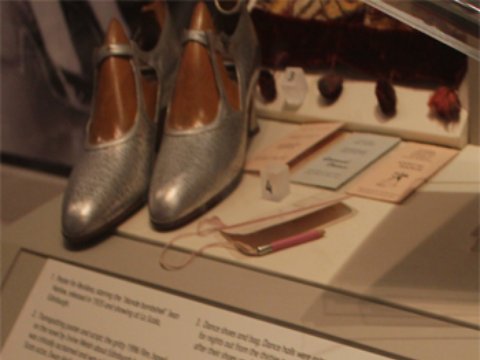
Dance Shoes and Dance Cards
-
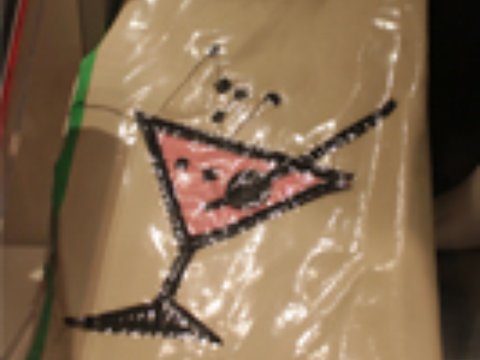
PVC Jacket, Eugene Reynolds of Rezillos
-
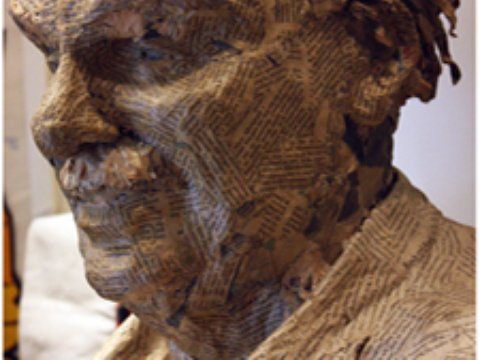
Papier Mache Bust of Hamish Henderson
-
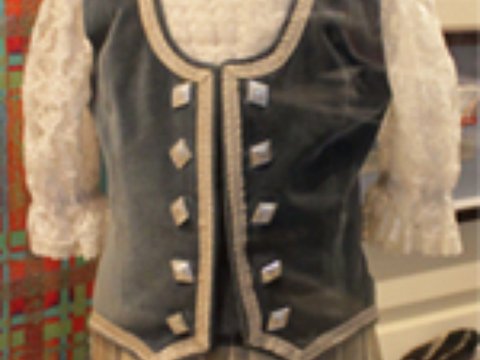
Highland Dance Costume
-
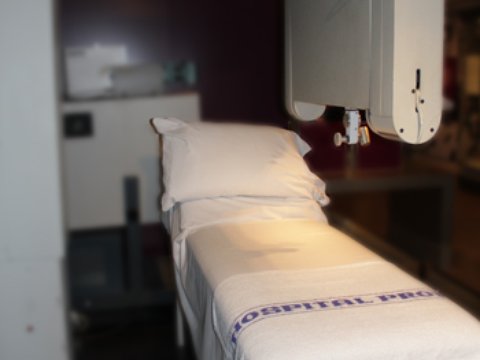
Diasonograph NE 4200 Ultrasound Scanner
-
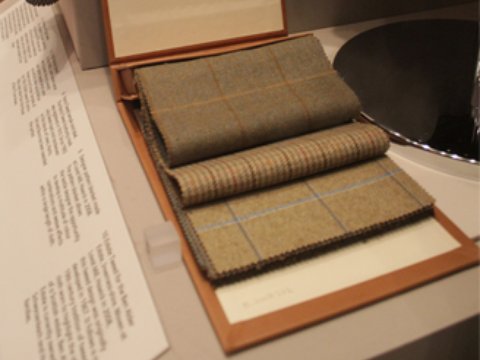
Tweed made by Johnstons of Elgin Louis Vuitton
-
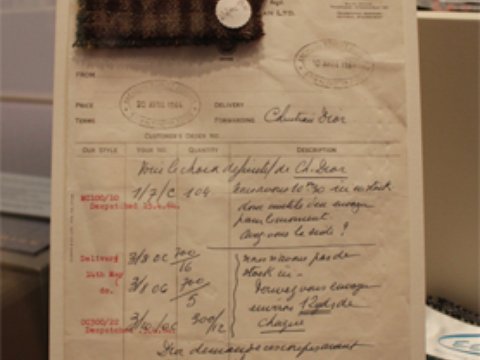
Elizabeth Perrins Wool
-
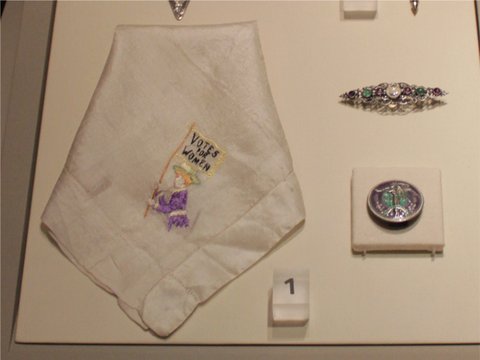
Suffragettes brooch and badge
-
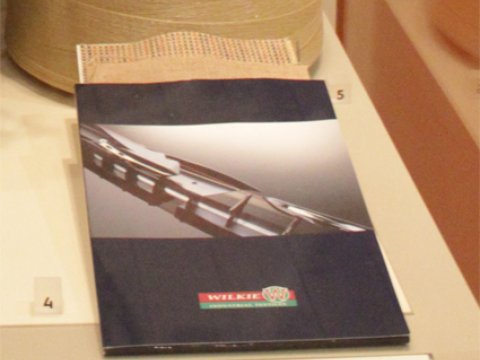
Wilkie Jute Sample
-
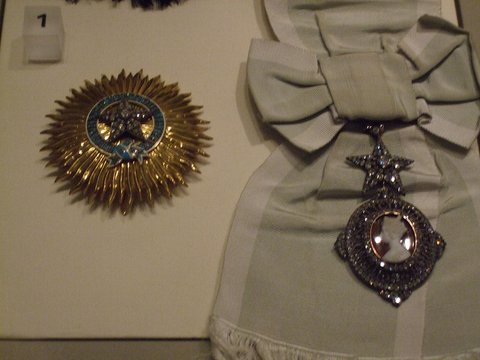
John Anderson Medals
-
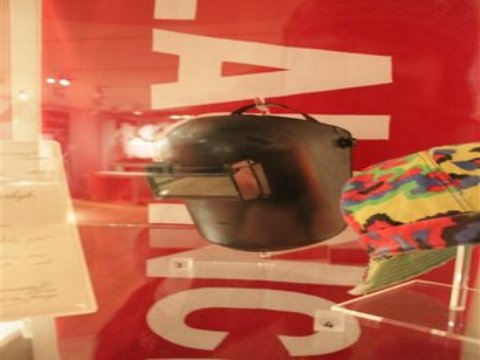
Welders Kromers Hat & Helmet
-
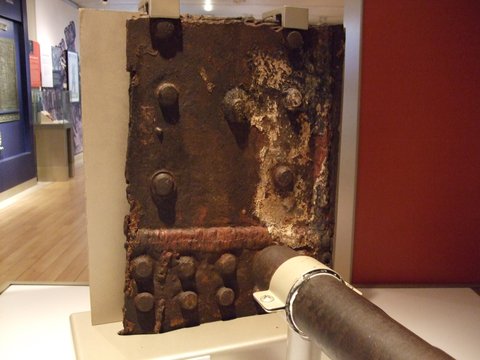
Riveted plate
-
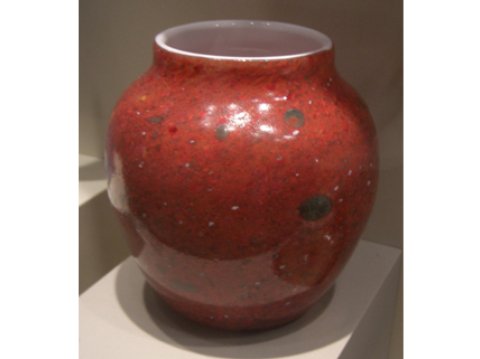
Monart Vase c. 1924-1950
-
Past President's Medal from the Chesterfield and District Caledonian Association
-
Bung Starter
-
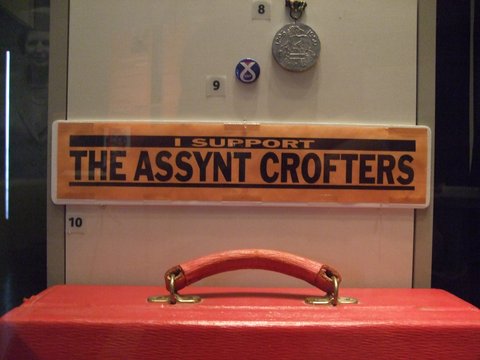
Assynt Crofters
-
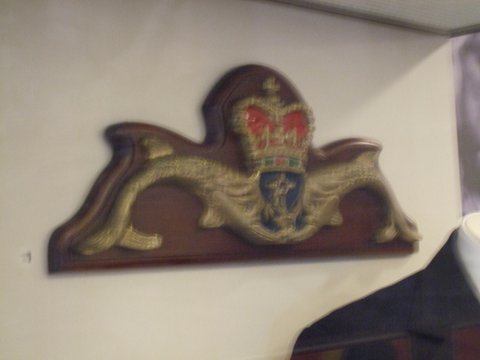
HMS Repulse
-
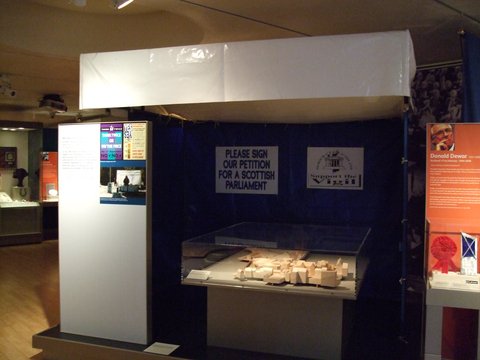
Democracy Tent Campaign
-
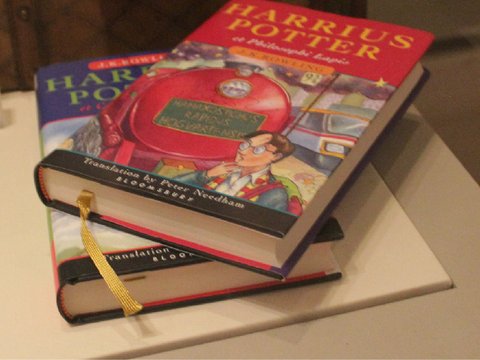
Harry Potter Books
-
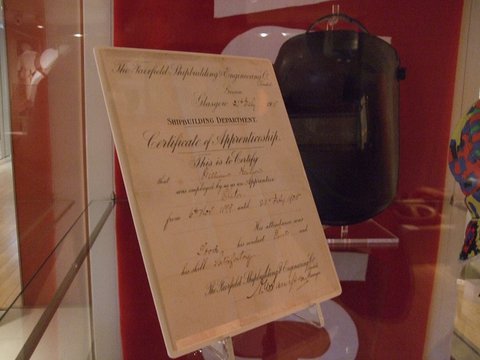
Apprentice Certificate, Shipbuilding
-
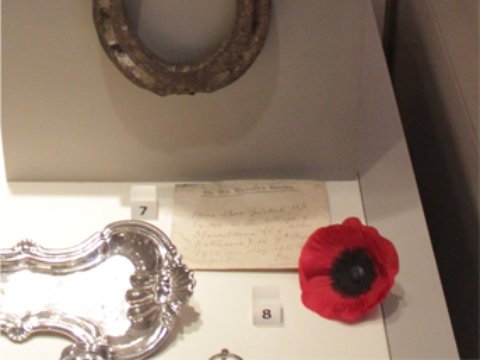
Douglas Haig and Red Poppy
-
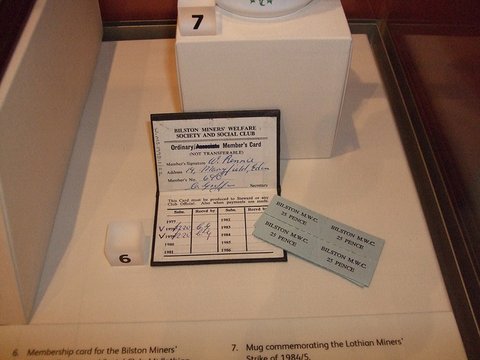
Bilston Miners Membership card
-
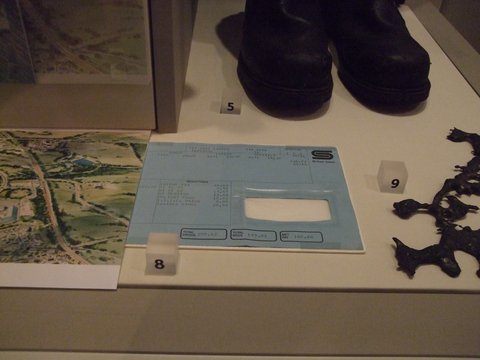
Ravenscraig Pay Slip
-
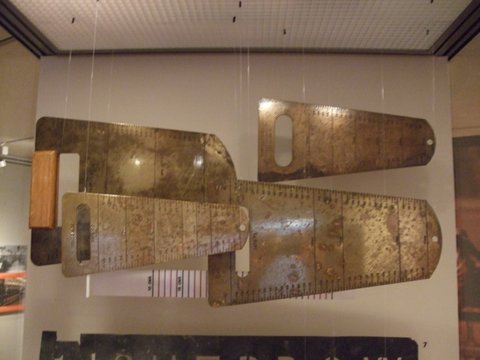
Net Gauges
-
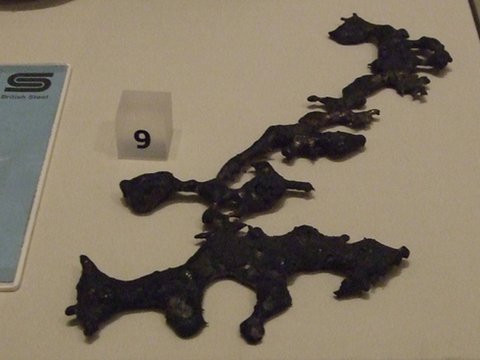
Steel splash
-
Sue Jane Taylor Sketches
-
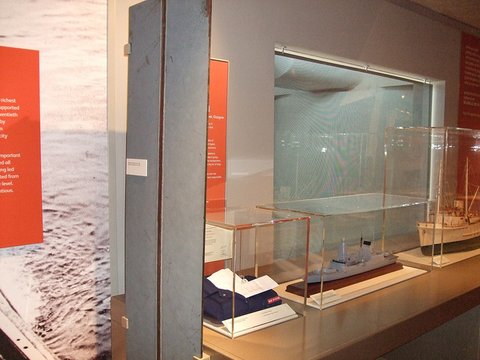
Welded steel sample
-
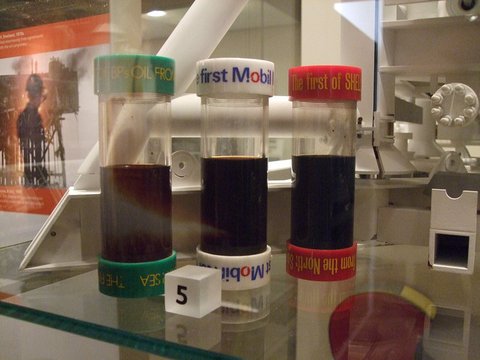
Oil Samples
-
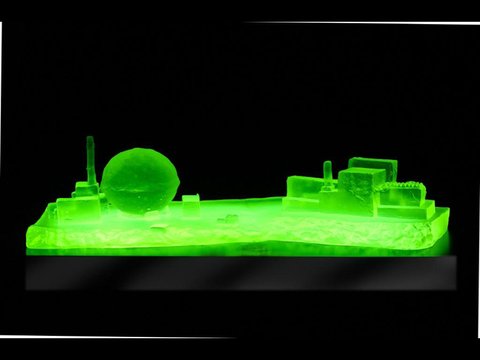
Dounreay Power Station Model
-
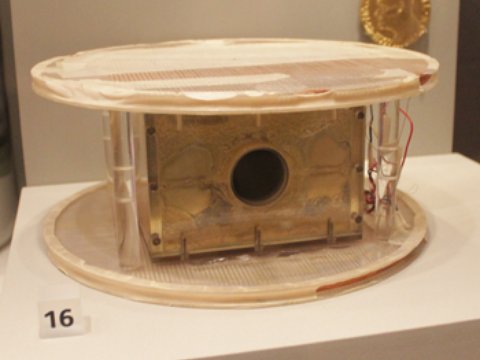
MRI Scanner
-
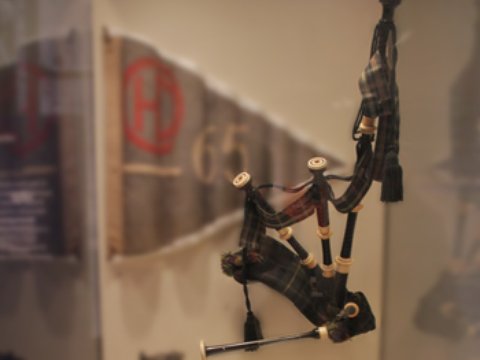
Highland Bagpipes
-
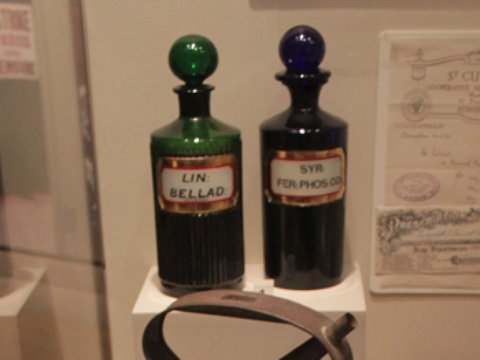
Napier's Original Medicine Bottle
-
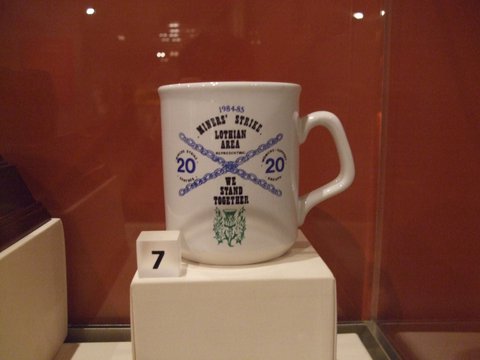
Miners Mug
-
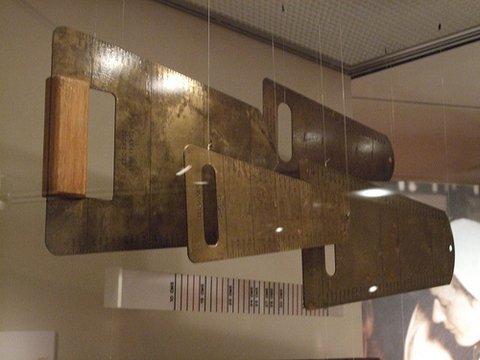
Fish Gauges
-
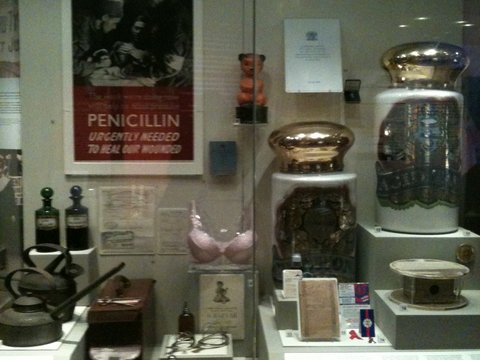
TB Manual
-
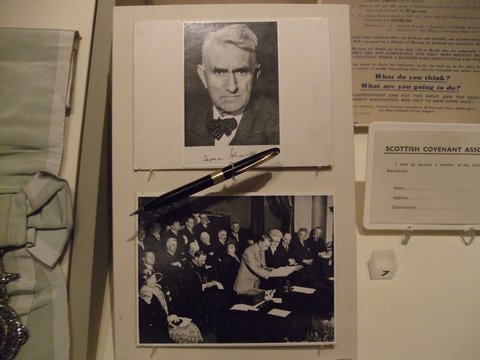
Tom Johnston
-

Glenmorangie whisky
-
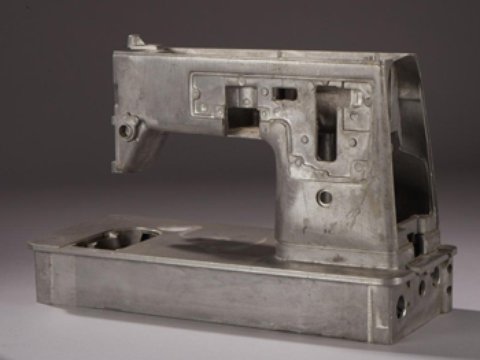
Singer Sewing Machine
-
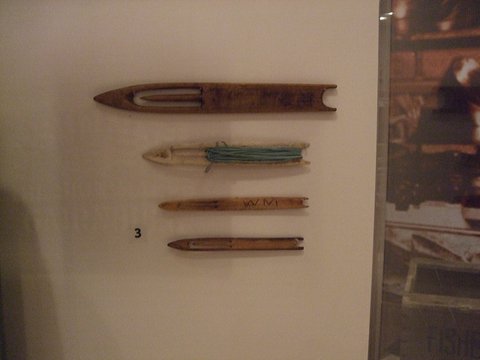
Mending Needles
-
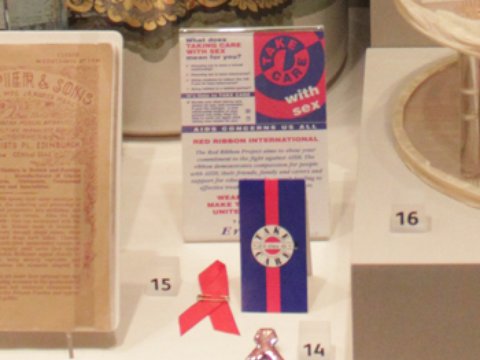
AIDS Campaign
-
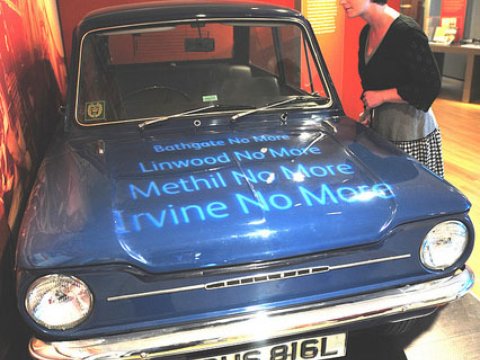
Hillman Motor Car
-
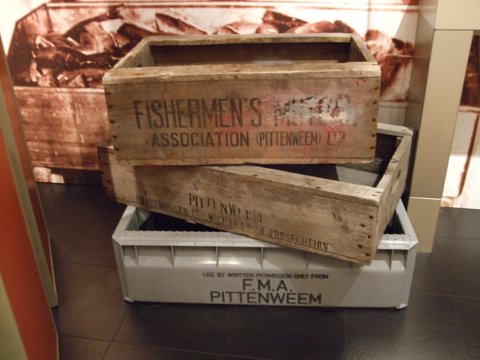
Fish Boxes
-
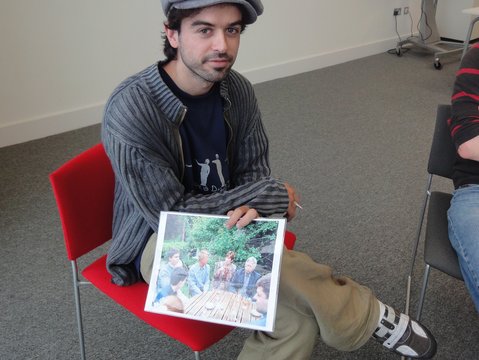
Family photographs
-
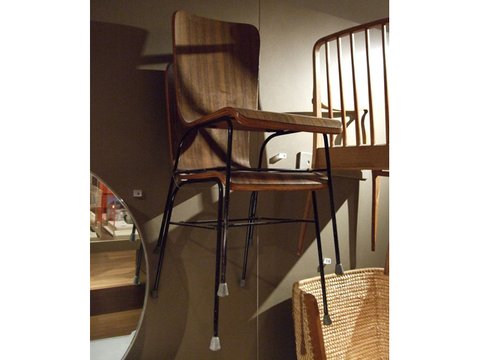
Toby Stacking Dining Chairs
-
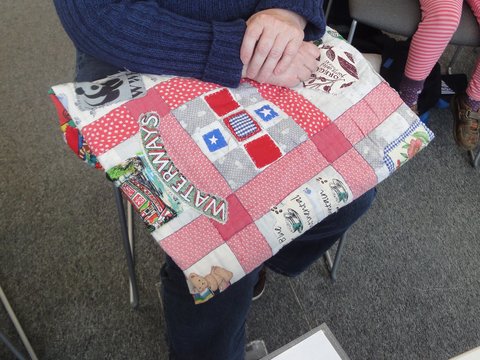
Memory Quilt
-
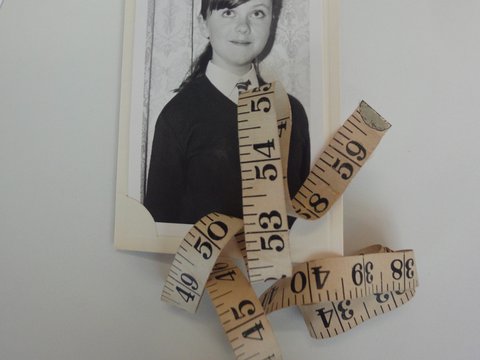
Measuring Tape
-
Books
-
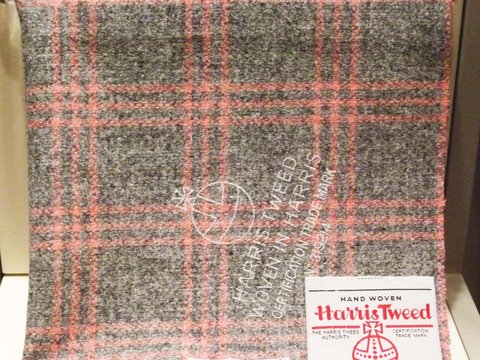
Harris tweed sample
-
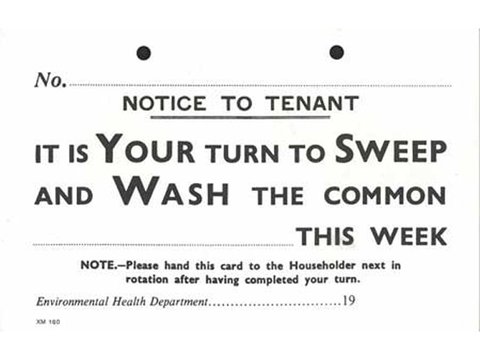
Notice for cleaning of common areas in tenements
-
Three columns statuette by Roy Gussow
-
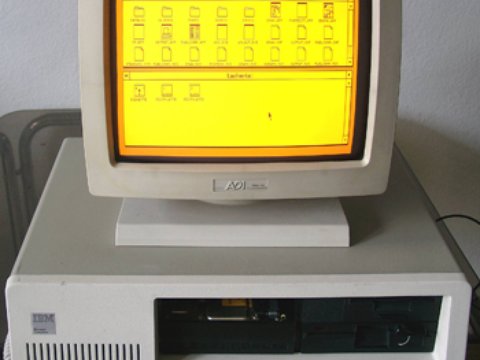
IBM Personal Computers
-
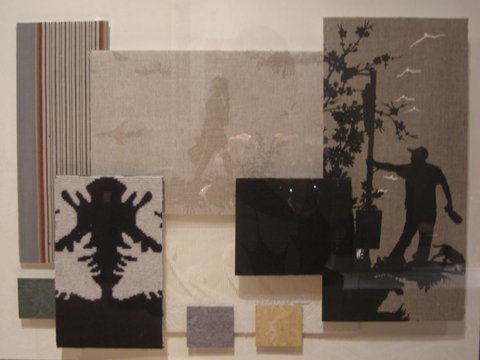
Timorous Beasties Mood Boards
-

Trainspotting Poster
-
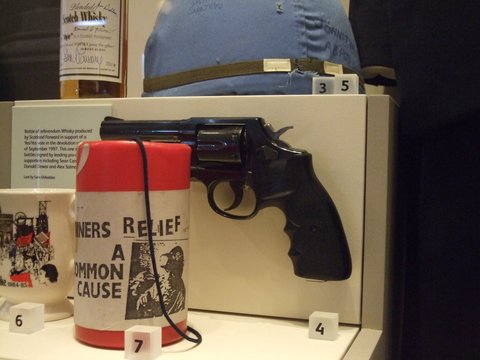
Lockerbie firearm
-
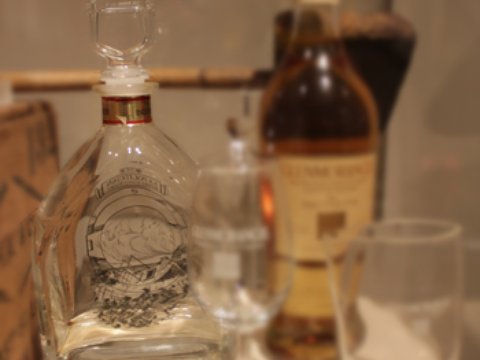
Decanter from SS Politician
-
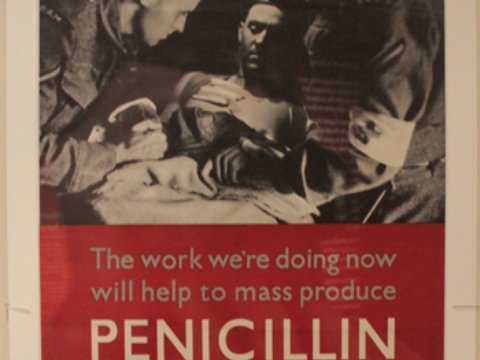
Poster "The work we're doing now will help to mass produce PENICILLIN urgently needed to heal our wounded"
-

Computer Games
Comments